News
To receive Flow-MER updates in your email inbox, please subscribe below.
%20flowers-%20(photo%20credit-%20Rebekah%20Grieger).jpg)
Finding lignum shrublands: a vital habitat for nesting birds
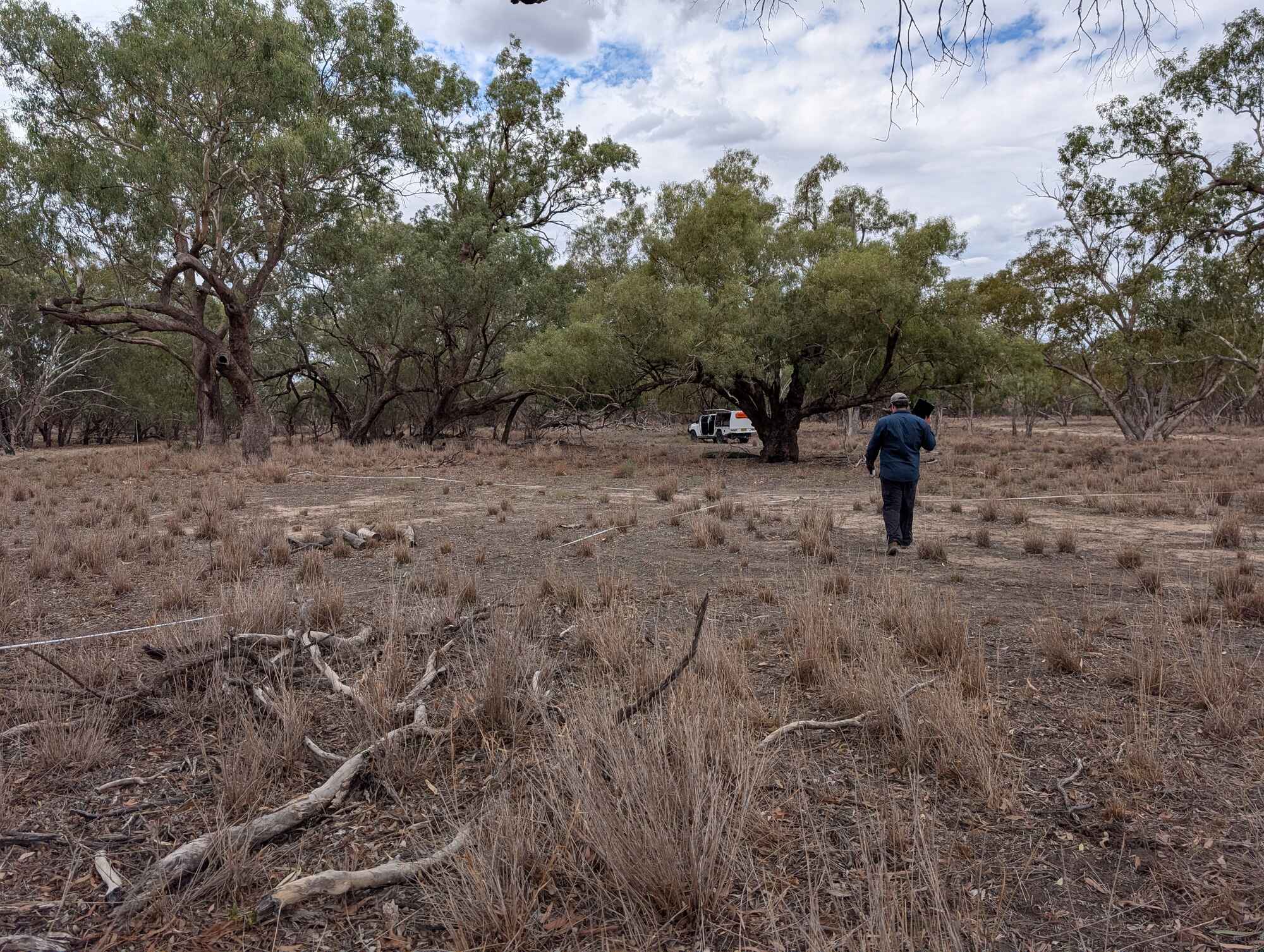
In the Namoi River system, much of the floodplain vegetation, including lignum shrublands, has been replaced by irrigated and dryland crops. While many areas have changed, resilient patches of lignum still thrive along roadways and on private farms, offering valuable habitats.
%20.jpg)
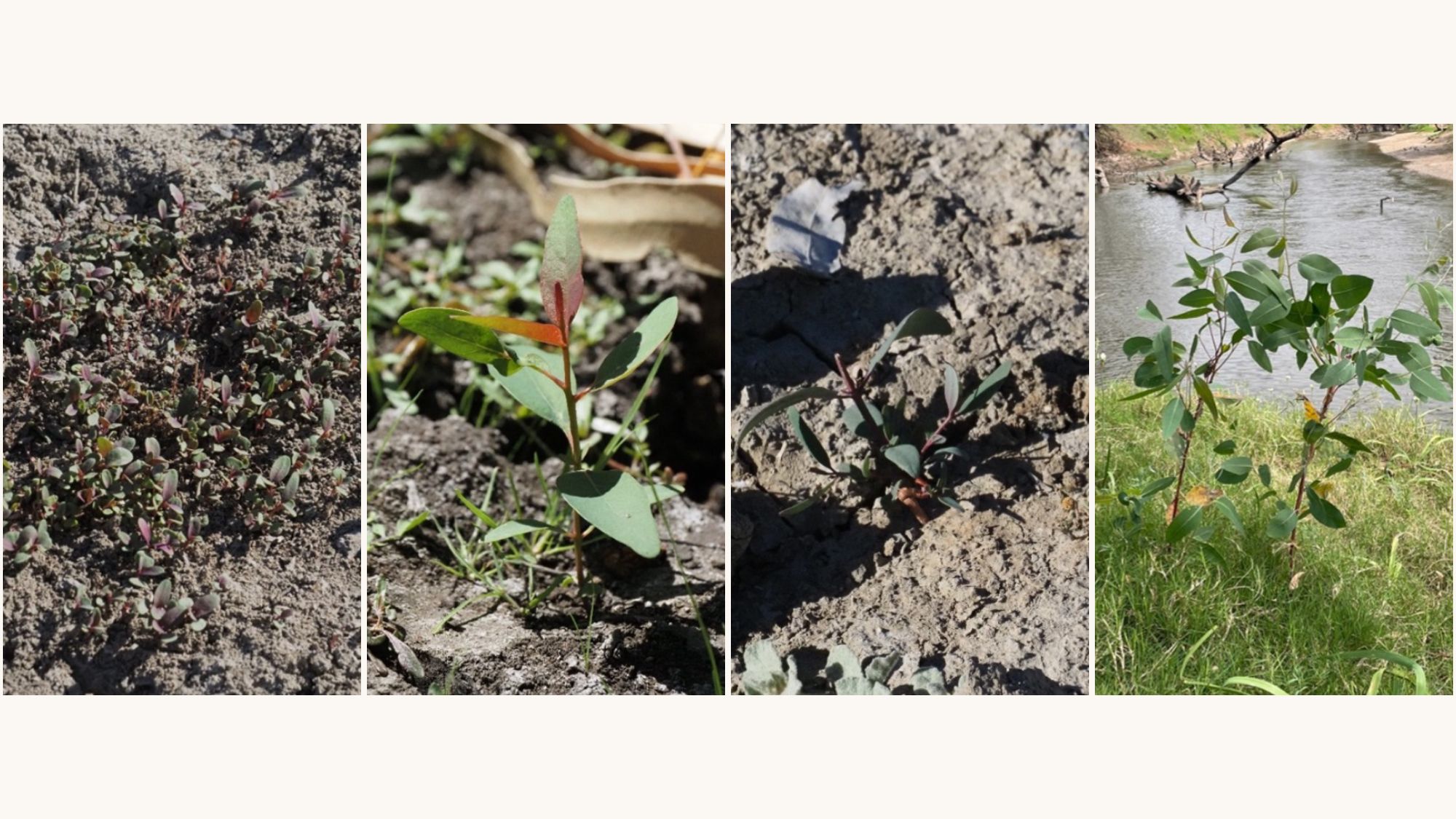
Rugged giants and tiny seedlings: resilience and establishment of river red gums on the Barwon River
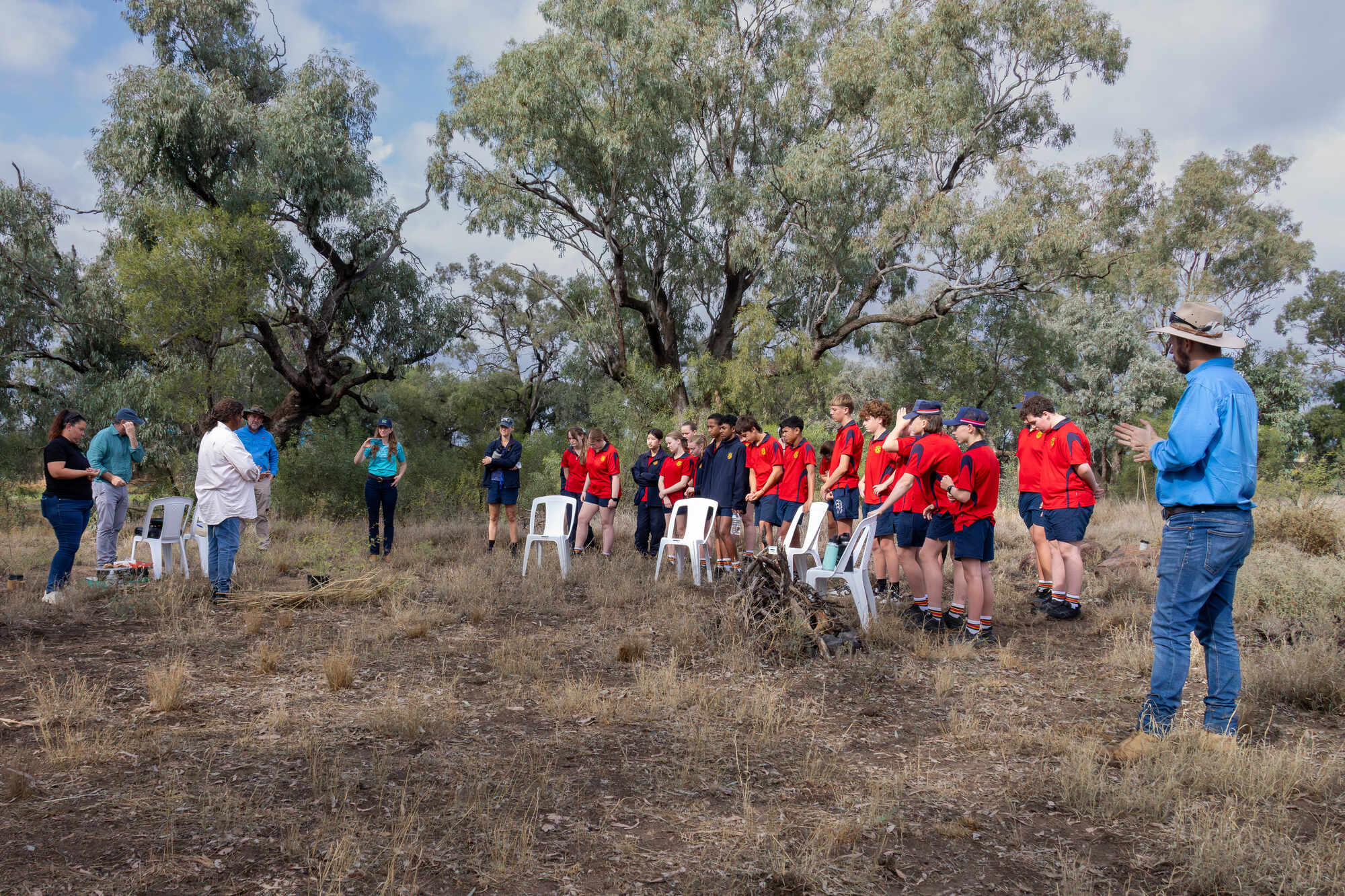
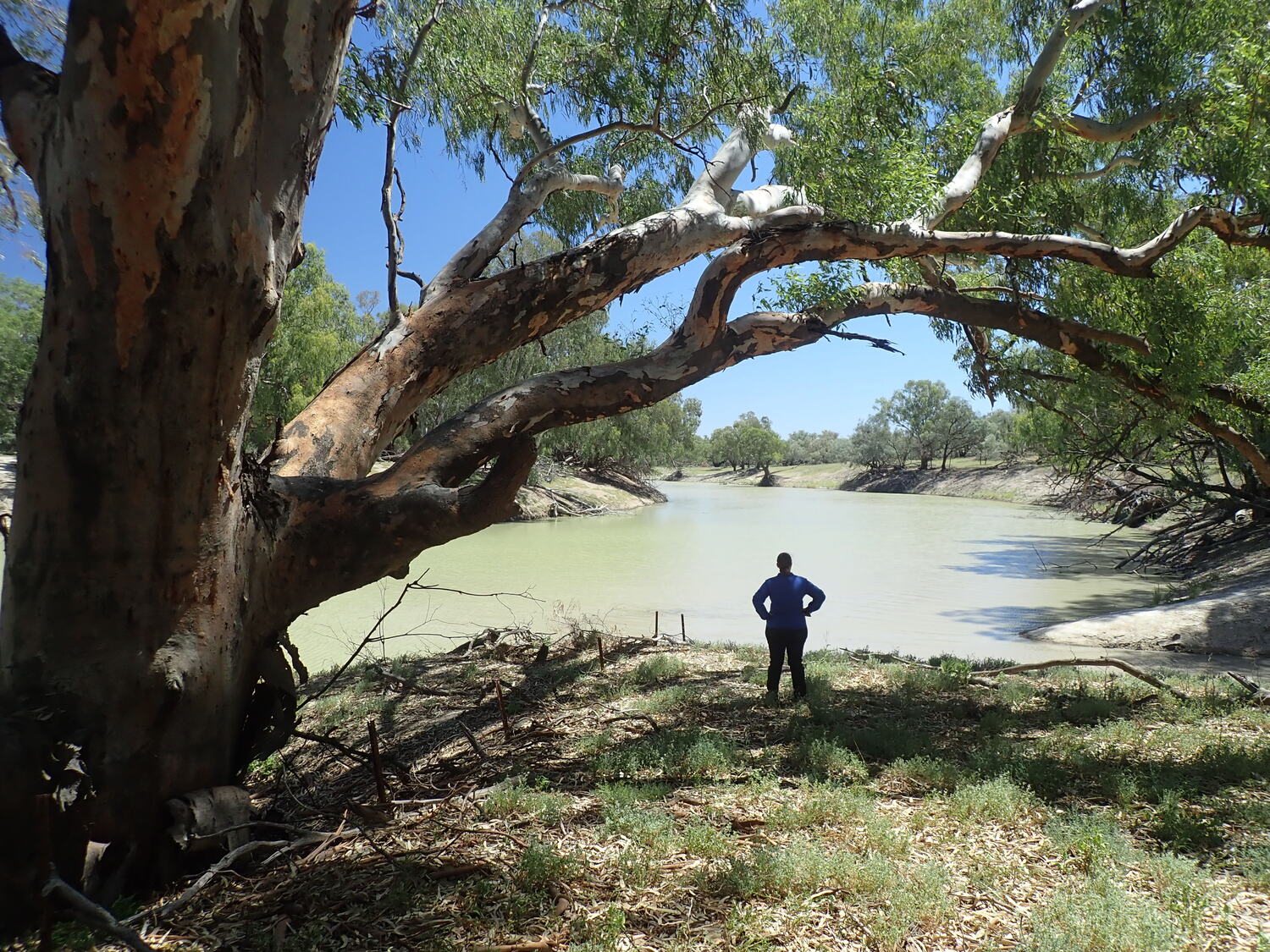
River red gums are iconic trees of the Murray–Darling Basin, well known as the giants towering over waterways for hundreds of years. Researchers are concerned about the ongoing survival of these trees due to a lack of recorded seedlings, especially in the northern Basin.

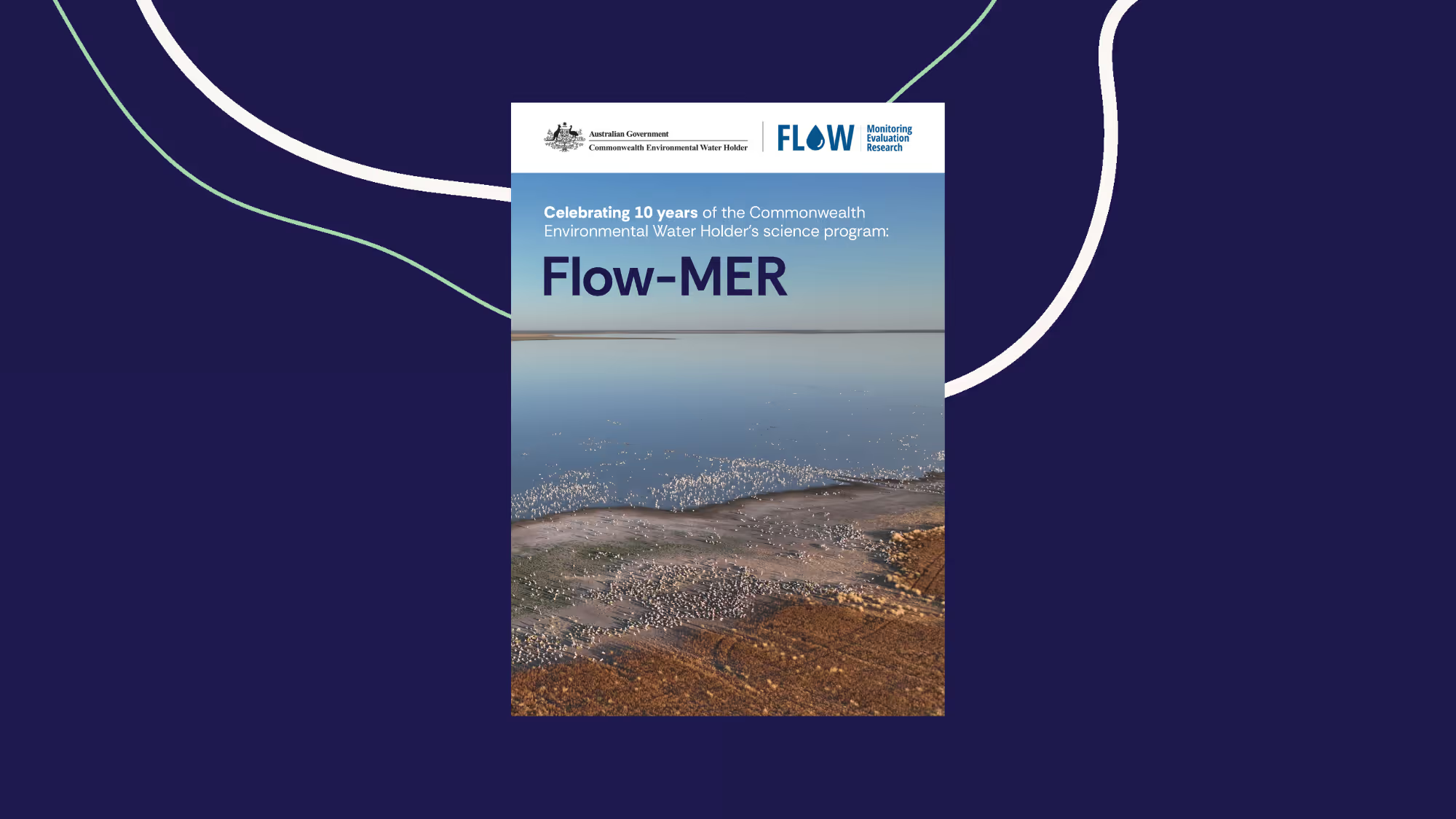
Celebrating 10 years of the Commonwealth Environmental Water Holder’s science program: Flow-MER (digital booklet)
This digital booklet captures that journey. It reflects the progress, partnerships, and knowledge built through Flow-MER – the Basin’s largest and longest-running environmental water science program.

First Macquarie Marshes waterbird survey for the 2025-2026 water year
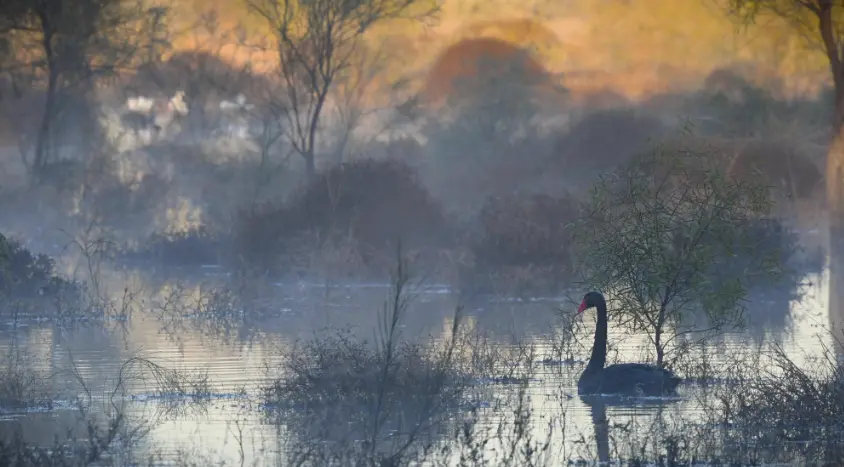
Flow-MER waterbird ground surveys were conducted at 12 Macquarie Marshes sites in August 2025, the first for the 2025-2026 water year. Many parts of the Marshes were inundated, particularly in the northern nature reserve, creating feeding habitat for waterbird species.

Is the Australasian bittern returning to the Gwydir Wetlands?
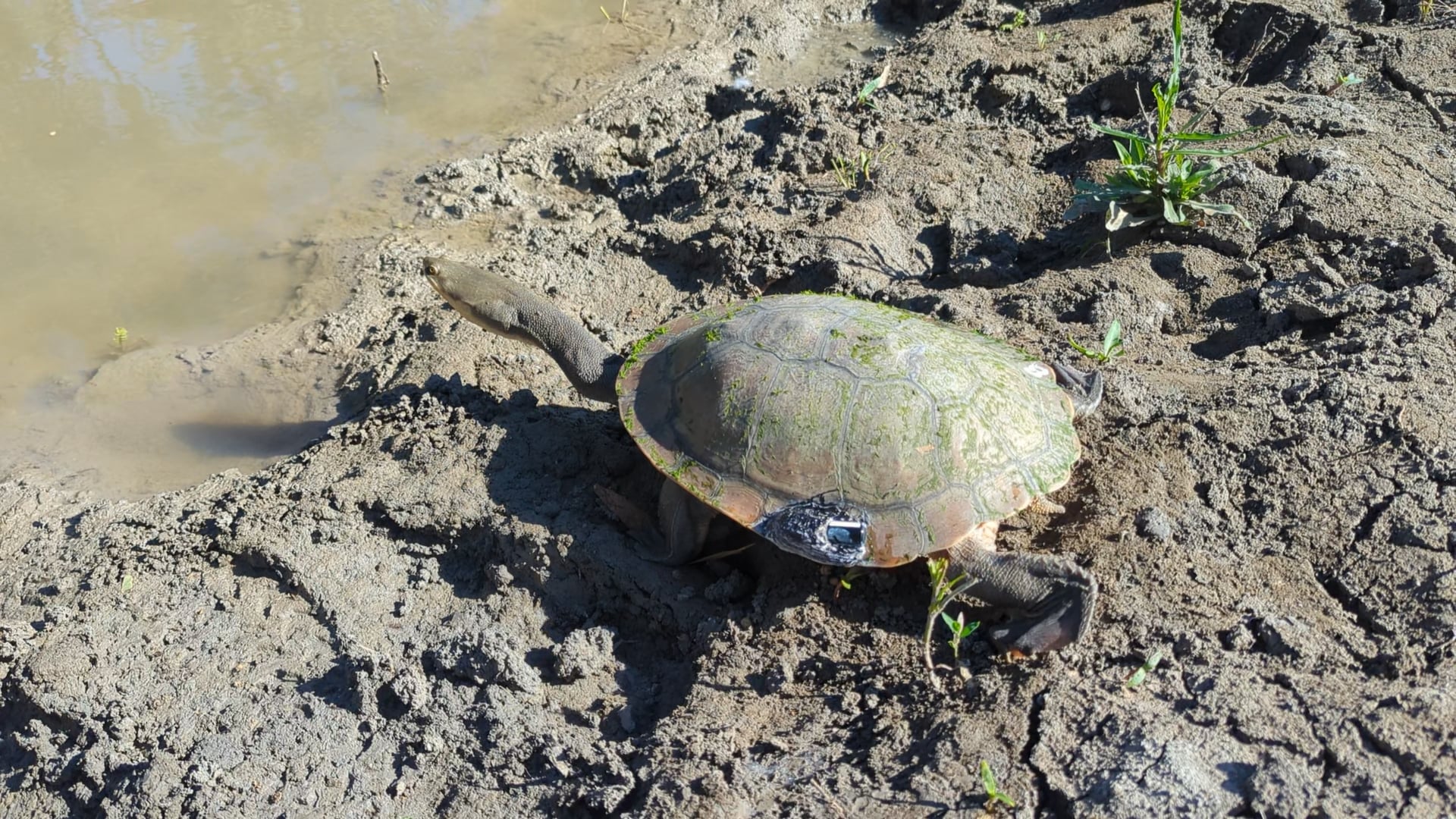
In January 2025, researchers heard an endangered Australasian bittern in the Gwydir Wetlands, where the species had virtually disappeared. With only 1,300 left in Australia, they hope environmental flows will bring a breeding comeback.

2023–24 evaluation reports highlight Flow–MER Program’s impact
The latest evaluation reports from the Flow MER Program and CEWH highlight a decade of progress in delivering water for the environment across the Murray Darling Basin. Findings show how science, adaptive management and collaboration continue to shape outcomes for fish, birds, ve

Lignum data processing: Sharing the load
Researchers and Flow MER teams are using drones and deep learning to monitor how lignum responds to water for the environment. With 91% accuracy across four river systems, this collaboration is helping build a clearer picture of how floodplain vegetation recovers and thrives.


.webp)